
Product Overview
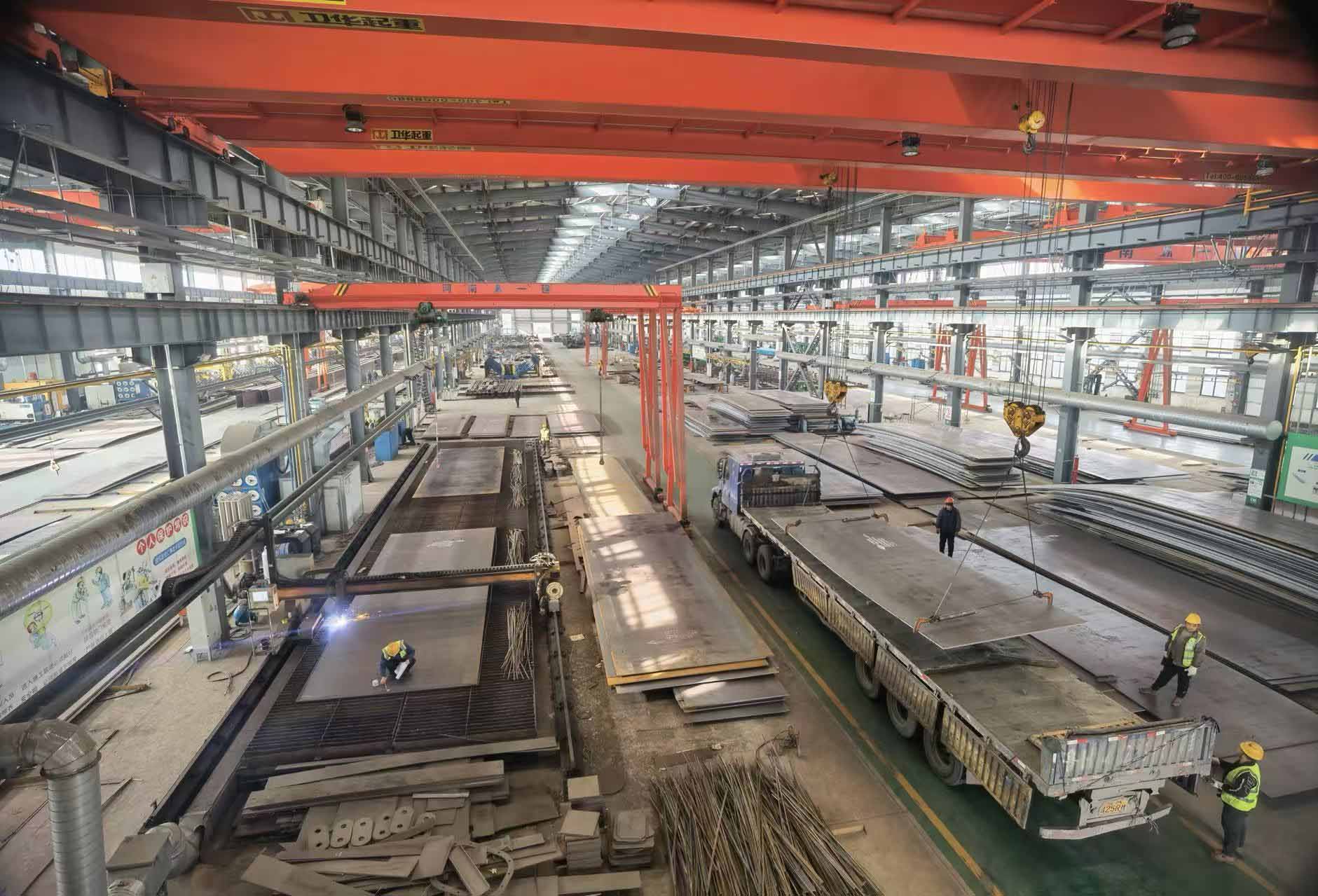
Heavy Steel Fabrication is heavy-section steel fabrication for large welded members, industrial structures and load-bearing assemblies. It is supplied as a project-specific solution rather than a fixed catalogue item. Geometry, member sizes, connections, protection systems and delivery segmentation are confirmed from approved documents.
The engineering and fabrication scope can coordinate transport envelopes, lifting points, equipment supports and site splice locations. Early review of drawings, loads, site conditions and transport limits helps define a practical supply package and reduces interface risk.
Product Core Parameters
| Product type | Heavy Steel Fabrication |
|---|---|
| Primary configuration | heavy-section steel fabrication for large welded members, industrial structures and load-bearing assemblies |
| Engineering basis | Approved project drawings, loads, site conditions and applicable codes |
| Dimensions / span | Project-specific |
| Material grade | Defined by approved design and procurement specification |
| Connections | Welded, bolted or combined as detailed |
| Inspection | Approved inspection and test plan; specified NDT where required |
| Surface protection | Selected for exposure, service life and maintenance plan |
| Delivery | Component size, marking and sequence coordinated with transport and erection |
Key Features
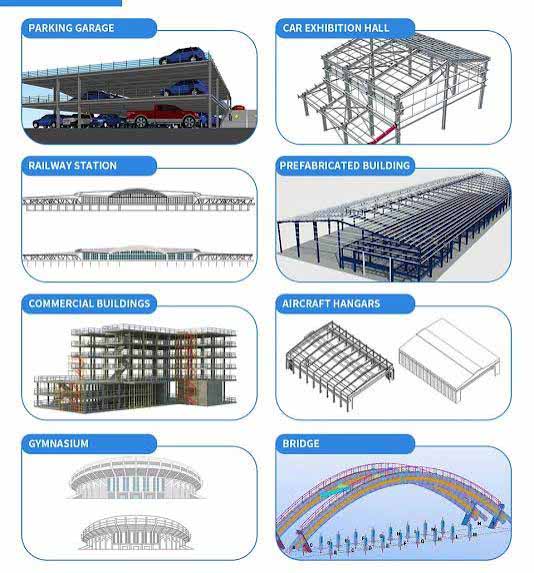
- Project-specific engineering: The heavy steel fabrication is developed around heat input, distortion control, lifting geometry and heavy-section weld quality; final member sizes and details follow approved calculations and drawings.
- Coordinated interfaces: Design and detailing account for transport envelopes, lifting points, equipment supports and site splice locations, reducing conflicts during fabrication and site assembly.
- Controlled prefabrication: CNC processing, documented fit-up and controlled welding improve dimensional consistency and traceability before shipment.
- Connection detailing: Bolted, welded and bearing interfaces are coordinated with the actual load path, access, tolerances and erection method.
- Inspection planning: Material verification, dimensional checks, weld inspection and specified NDT are tied to the approved quality plan.
- Delivery-ready documentation: Member marks, packing lists, inspection records and erection information are prepared to match the agreed supply scope.
Main Components
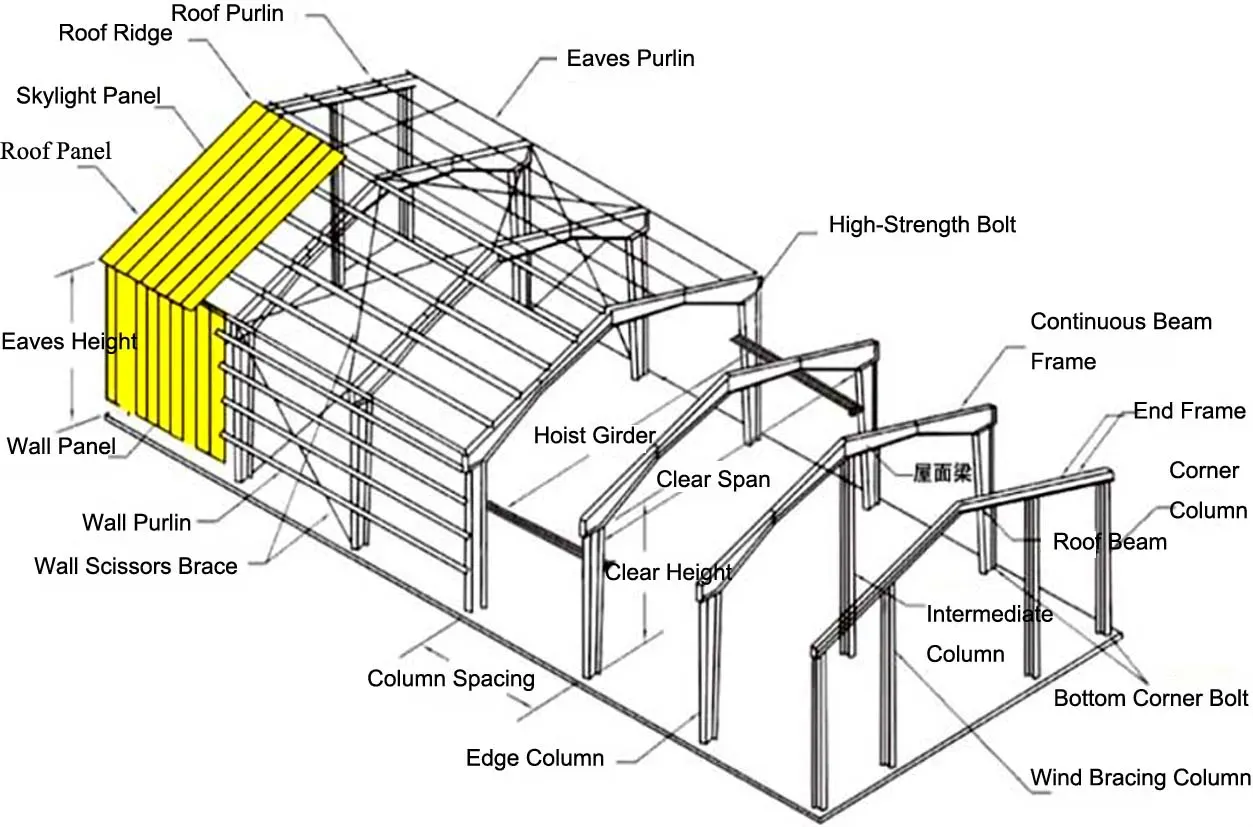
The exact bill of materials is project-specific. A typical heavy steel fabrication package may include:
- 01 — Heavy plate girders and columns: Detailed and fabricated according to its structural function, connection requirements and approved drawings.
- 02 — Box sections and built-up members: Detailed and fabricated according to its structural function, connection requirements and approved drawings.
- 03 — Large truss and frame assemblies: Detailed and fabricated according to its structural function, connection requirements and approved drawings.
- 04 — Equipment-support structures: Detailed and fabricated according to its structural function, connection requirements and approved drawings.
- 05 — Heavy connection and bearing plates: Detailed and fabricated according to its structural function, connection requirements and approved drawings.
- 06 — Custom welded subassemblies: Detailed and fabricated according to its structural function, connection requirements and approved drawings.
Typical Applications
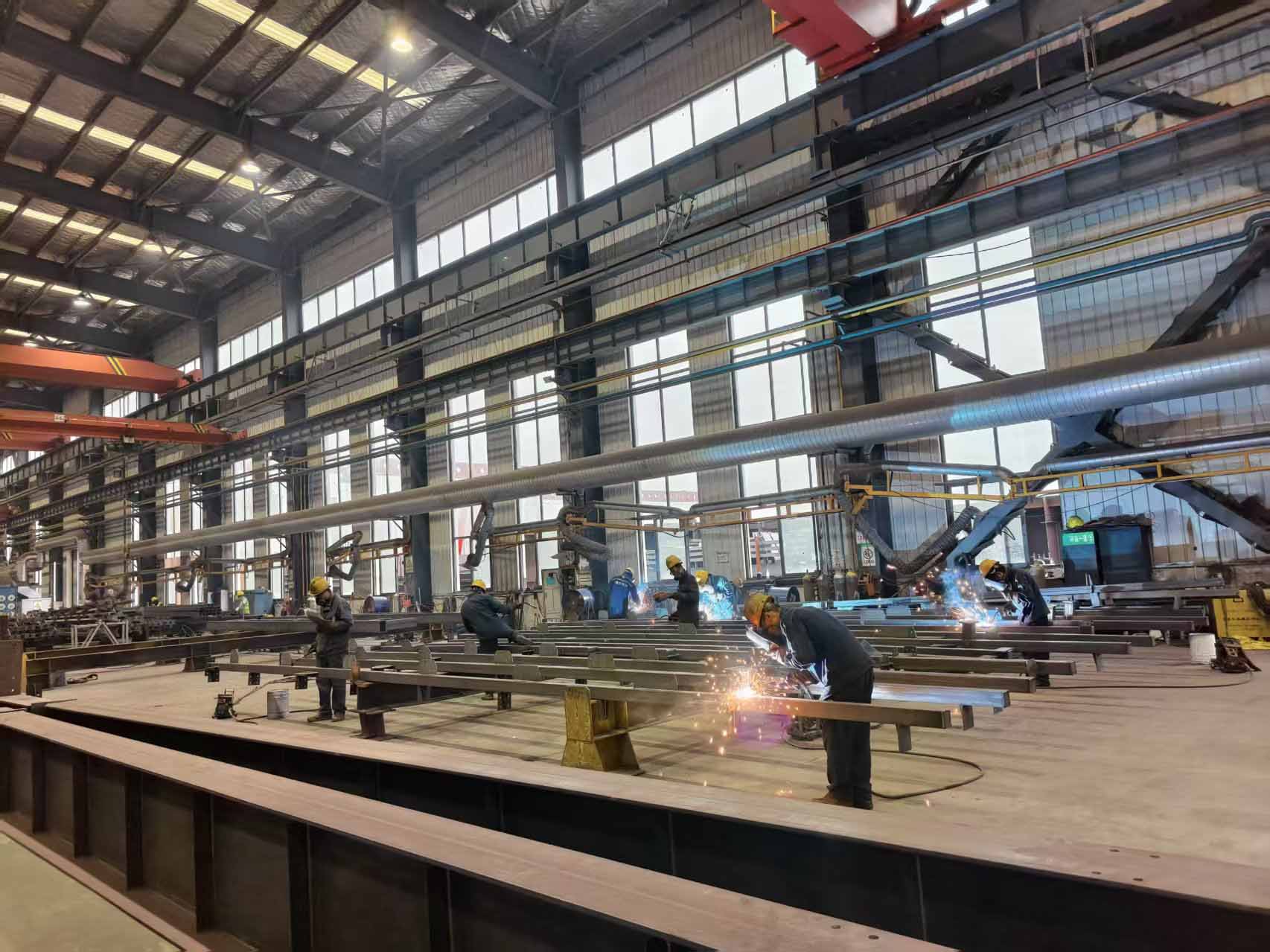
01 — Heavy industrial facilities
Suitable where the project requires heat input, distortion control, lifting geometry and heavy-section weld quality. Final suitability depends on loads, geometry, site conditions, interfaces and applicable regulations.
02 — Energy and process plants
Suitable where the project requires heat input, distortion control, lifting geometry and heavy-section weld quality. Final suitability depends on loads, geometry, site conditions, interfaces and applicable regulations.
03 — Large infrastructure and equipment-support structures
Suitable where the project requires heat input, distortion control, lifting geometry and heavy-section weld quality. Final suitability depends on loads, geometry, site conditions, interfaces and applicable regulations.
Manufacturing & Delivery
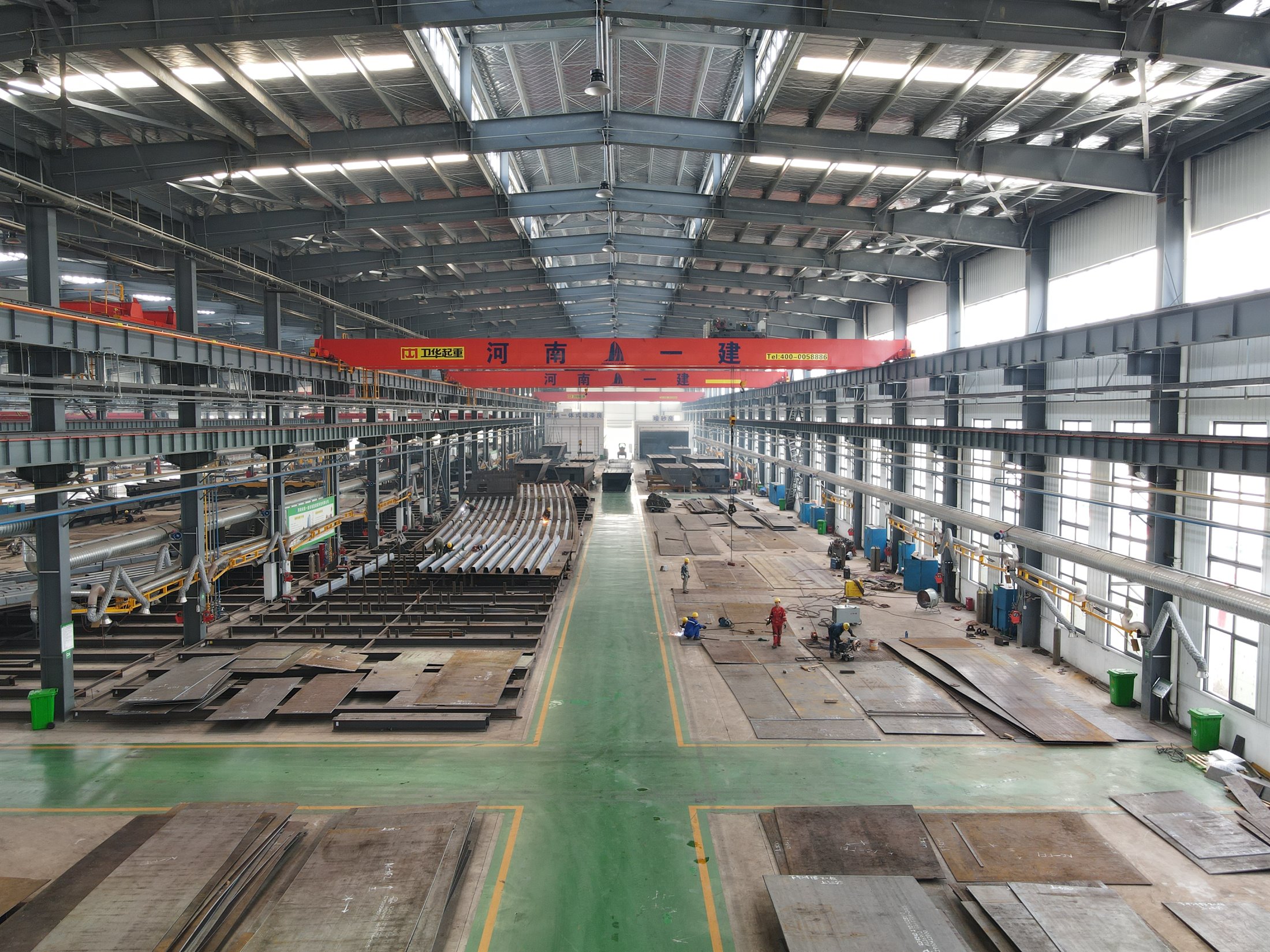
- Receive drawings, BOM, revision status and technical specification
- Complete manufacturability review and raise technical queries
- Prepare or coordinate shop drawings and cutting data
- Verify incoming material and traceability
- Perform CNC cutting, drilling, machining and edge preparation
- Complete fit-up, welding and distortion control
- Inspect dimensions, welds and specified NDT
- Apply surface treatment and final inspection
- Mark, kit, package and release to the delivery schedule
Project Customization
Customization can cover overall geometry, member sections, material grades, connections, openings, interfaces, inspection scope, coating system, fire protection, packing and erection sequence. For a technical review, provide the project location, design basis, drawings, loads, quantities, required standards, inspection requirements, finish and delivery destination.
Quotation input: architectural or structural drawings, dimensional schedule, load criteria, material specification, connection responsibilities, coating requirements, quality documentation and target delivery program.